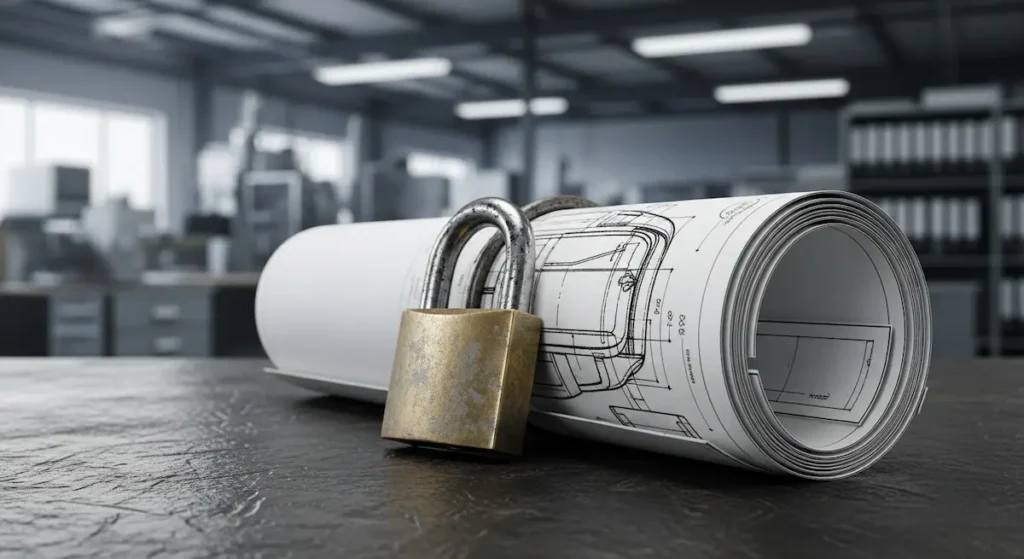
For many western brands, the biggest fear when outsourcing to China isn’t quality—it’s intellectual property (IP) theft. You want to know how to protect bag designs effectively.
You have spent months perfecting your Tech Pack. The last thing you want is to see your unique backpack design selling on Amazon by another seller (or even the factory itself) before you even launch. Learning how to protect bag designs is critical for your brand’s longevity.
The good news? The “Wild West” days of Chinese manufacturing are largely over. With the right legal framework and the right partner, your designs can be secure. Here is TIMMY’s guide to protecting your IP.
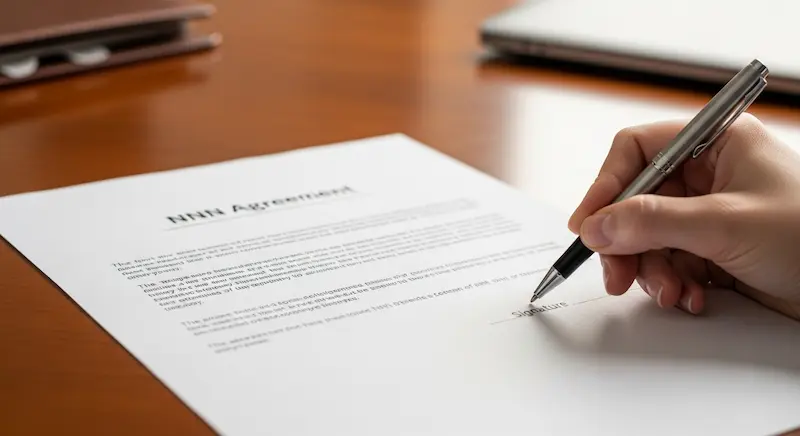
1. The “NNN” Agreement (Not Just an NDA)
Most brands ask for a standard NDA (Non-Disclosure Agreement). In China, this is often not enough to protect bag designs. You need an NNN Agreement, which covers three critical areas:
- Non-Use: The factory cannot use your design or tooling to manufacture products for themselves or others.
- Non-Disclosure: The factory cannot share your files with subcontractors without permission.
- Non-Circumvention: The factory cannot go behind your back to sell directly to your customers.
2. Register Your IP in China
A common misconception is that a US or EU patent protects you worldwide. It does not. IP rights are territorial. For comprehensive protection, refer to the World Intellectual Property Organization (WIPO) guidelines.
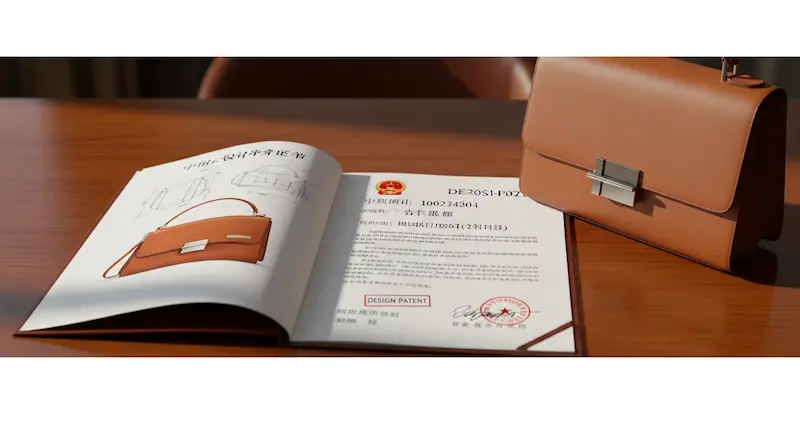
If you have a truly unique bag structure, consider registering a Design Patent in China. This allows you to legally block infringing goods from leaving China at customs, which is often easier than stopping them from entering your home country. This is a powerful way to protect bag designs at the source.
3. Choose a “Pure OEM” Partner
This is the most practical protection. You should check if your factory has its own B2C brand on Amazon. If they do, they are your competitor, not just your supplier.
At TIMMY, we operate as a Pure OEM/ODM Manufacturer . We do not have our own retail brand. Our only business is making your brand successful. This eliminates the conflict of interest and helps protect bag designs from internal copying.

Conclusion: Trust but Verify
Learning how to protect bag designs starts with legal paperwork (NNN), is reinforced by registration, but ultimately depends on the integrity of your partner. Don’t just look for the cheapest price; look for the safest pair of hands for your intellectual property.