
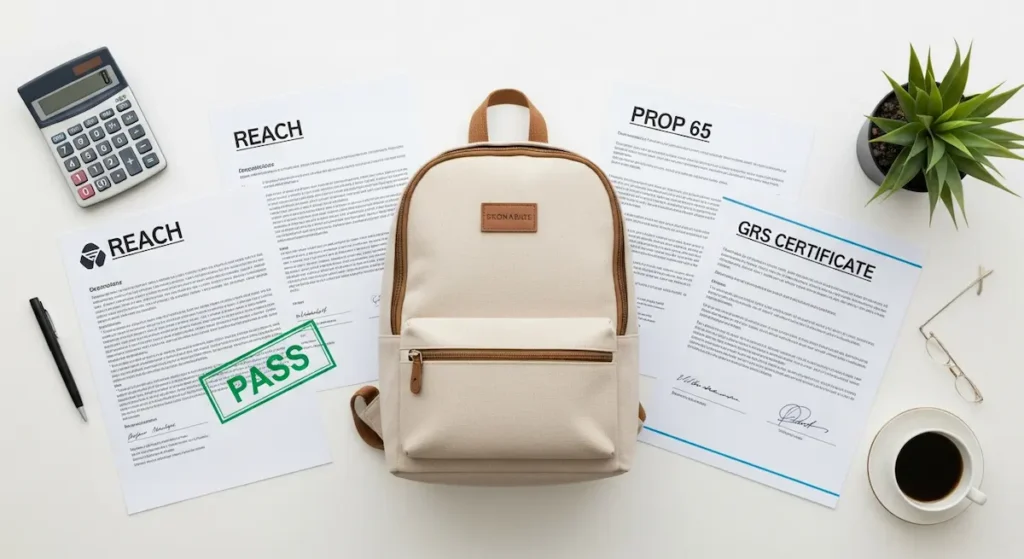
For bag brands exporting to the United States or Europe, “compliance” is the scariest word in the dictionary. A stunning design and a great logistics plan mean nothing if your goods are seized at customs because they contain restricted chemicals.
Regulations like REACH (EU) and Proposition 65 (US) are strict, and the responsibility falls on you, the brand owner. However, your best defense is a knowledgeable bag manufacturing compliance partner.
At TIMMY, we have helped hundreds of brands navigate these complex waters. This guide breaks down the three most critical standards you need to know for 2026.
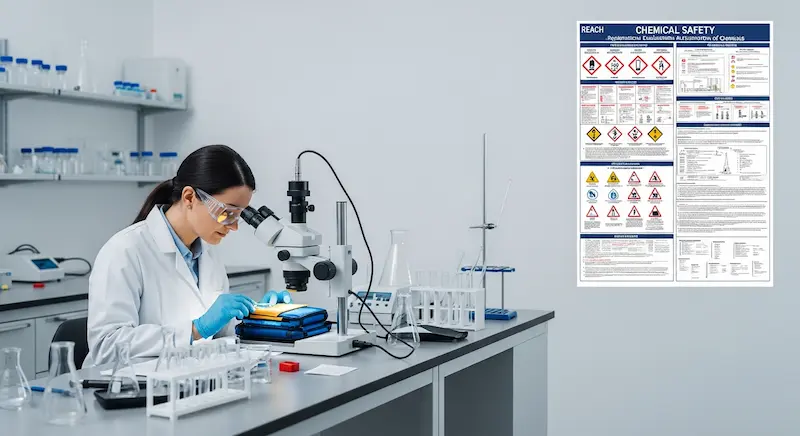
1. REACH: The Gatekeeper of the EU Market
What it is: Registration, Evaluation, Authorisation and Restriction of Chemicals. It is the strictest chemical regulation in the world.
What you need to know: REACH maintains a “Candidate List of Substances of Very High Concern” (SVHC). This list includes things like lead, cadmium, azo dyes, and phthalates (often found in cheap PVC).
If you are selling in Europe, your bag materials (fabric, zippers, buckles) must not contain these substances above very low limits (usually 0.1%).
The TIMMY Solution: We source fabrics that are pre-certified or testable for REACH compliance. We can arrange testing with major labs like SGS or Intertek before shipment.
2. California Proposition 65: The “Warning Label” Law
What it is: A California law that requires businesses to provide warnings to consumers about significant exposures to chemicals that cause cancer or reproductive harm.
Why it matters: Even if you are based in New York, if you sell online to a customer in California (which is inevitable on Amazon), you are subject to Prop 65.
Common culprits in bags include lead in zippers and phthalates in plastic coatings. If your product tests positive and you don’t have a warning label, you can face massive lawsuits from “bounty hunter” lawyers.
The Fix: The safest route is to manufacture products that are “Prop 65 Compliant” (below the safe harbor limits) so you don’t need a warning label at all. We specifically source low-lead and phthalate-free materials for our US clients.
3. GRS (Global Recycled Standard): Proving Your Eco-Claims
As we discussed in our sustainable manufacturing guide, customers are demanding eco-friendly products.
The problem: Anyone can say a bag is made of recycled plastic.
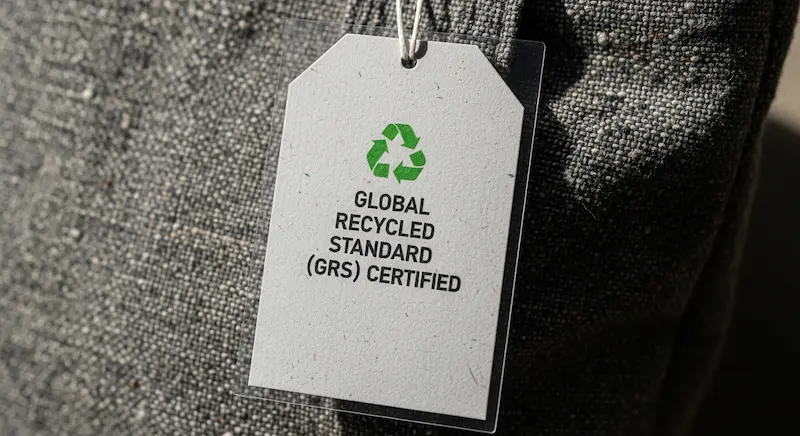
The solution: GRS certification. This standard tracks the recycled material from the recycling center all the way to the final product. It verifies the exact percentage of recycled content (e.g., “Made with 100% Recycled Polyester”).
TIMMY can provide Transaction Certificates (TC) for GRS orders, giving you the legal proof you need to market your bags as “Sustainable.”
4. Children’s Products: CPSIA (US)
If you are manufacturing school backpacks for children under 12, the regulations are even stricter. Under the CPSIA (Consumer Product Safety Improvement Act), you must:
- Undergo third-party testing at a CPSC-accepted lab.
- Have a Children’s Product Certificate (CPC).
- Have a permanent tracking label on the product.
This is a high-stakes category. Do not work with a factory that is unfamiliar with CPSIA requirements.

Conclusion: Compliance is Your Safety Net
Ignoring bag manufacturing compliance is gambling with your business. The cost of a recall or a lawsuit far outweighs the cost of proper testing and certified materials.
At TIMMY, we take compliance as seriously as we take quality. When you partner with us, you are partnering with a factory that understands the legal landscape of your target market. Contact us today to ensure your next bag collection is safe, legal, and ready for global sales.