
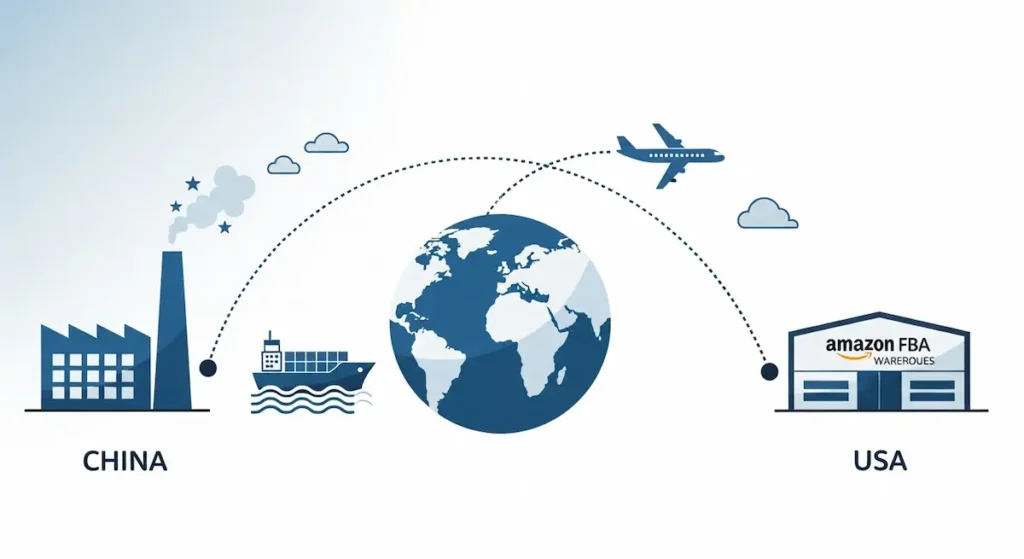
Plan shipping and warehouse requirements before approving your bag order. Carton dimensions, packing, labels, delivery terms and the destination all affect the quotation and schedule.
This is a planning guide for importers, including Amazon FBA sellers. Confirm current requirements with your freight forwarder, customs broker and marketplace account; no packing method guarantees warehouse acceptance.
1. Confirm the Delivery Rule and Named Place
Specify the Incoterms® rule, named place or port and edition in the quotation. These rules allocate delivery obligations, costs and risk; they do not replace the rest of the sales contract.
EXW: The buyer generally takes on collection and onward transport, with practical export arrangements needing careful confirmation.
FOB: This is a sea or inland-waterway rule, with delivery on board the vessel at the named port of shipment—not merely arrival at the port. For container shipments handed to a carrier earlier, discuss whether FCA is more appropriate.
DDP: The seller takes on import clearance and duty responsibilities under the rule. Confirm whether this can lawfully and practically be performed at the destination, who is importer of record and what the quote includes.
Refer to ICC Academy’s FOB guidance and its EXW/DDP comparison before choosing a delivery basis.
2. Compare Packing Using Real Dimensions
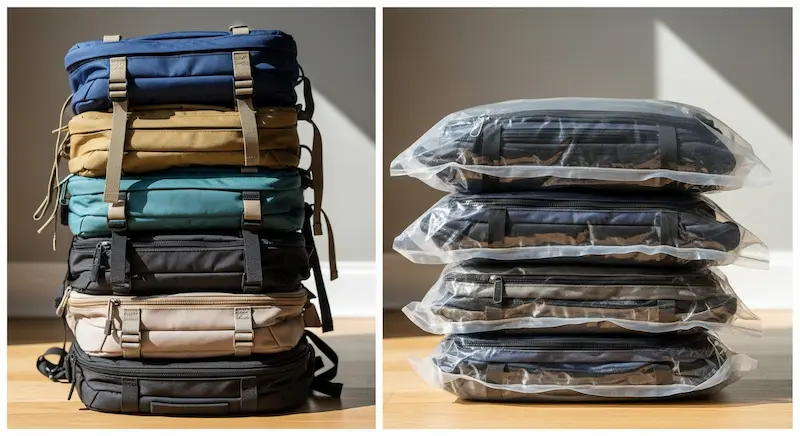
For services that use volumetric or chargeable weight, confirm the carrier’s method, dimensions, weight and surcharges. Freight mode and route can change how charges are calculated.
Nesting or compression may reduce space for suitable bags, but can damage shape, padding, coatings or printed surfaces. Approve the packing method on a representative sample before bulk packing.
Compare actual carton plans and current freight quotations. Do not assume a fixed 30% saving or a universal transit time.
3. Supply Current FBA or Retailer Instructions
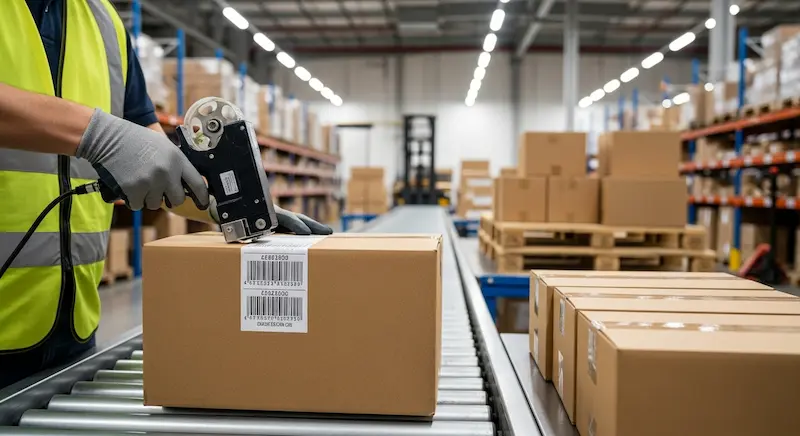
Send the applicable shipment plan, unit barcode requirements, packaging instructions, carton labels, quantity limits and booking requirements from your current account. Requirements depend on the product, destination and shipping programme and may change.
Check label content and placement against the approved packing sample. Confirm who supplies the labels and who reviews them before the shipment is released. A factory’s packing support is not Amazon approval.
4. Separate Production Time from Shipping Time
Timmy’s sampling normally takes 7–10 days after all details are confirmed. Production normally takes 30–35 days after all details are confirmed.
Shipping time is additional. Allow for testing, inspection, freight availability, customs and warehouse booking as relevant to your order. Confirm the achievable schedule before committing to a launch date.
Share your quantity, delivery destination and packing requirements with Timmy Bags. We respond within 24 hours.