

A good-looking bag sample should also be evaluated for its intended use. A travel organizer, promotional pouch and loaded backpack need different performance checks.
Choose a test plan before production. Agree on the method, sample conditioning, load or cycle settings, acceptance criteria and reporting with the factory and, where needed, a qualified laboratory. The following are useful categories to discuss—not a claim that every Timmy bag receives every test.
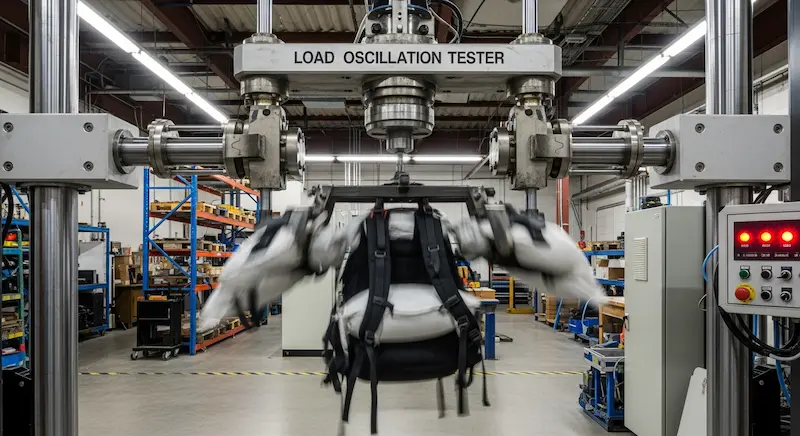
1. Handle and Strap Loading
For bags that carry weight, assess handles, shoulder straps, attachment points and adjusters under an agreed loading method. Static and repeated-load checks answer different questions. Specify the intended contents and carrying arrangement before setting the load and number of cycles.
Record seam damage, slippage, hardware failure and other agreed failure conditions. Passing a particular test does not guarantee that a bag cannot fail in daily use. See our backpack development guide.
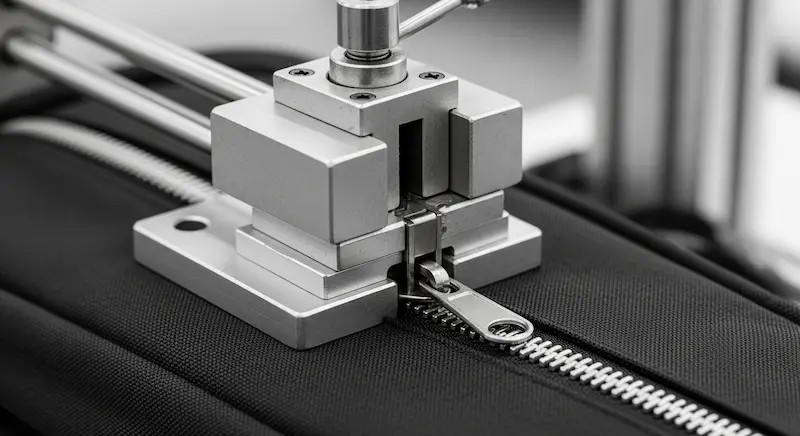
2. Zipper Operation and Repeated Use
Test the selected zipper on the actual opening, particularly around corners and thick seams. Agree on the cycling method and settings, then check the slider, teeth or coil, stops, puller and attachment.
Brand and finish are only part of the specification. The chosen size and construction must suit the bag. Read our zipper and hardware guide.
3. Color Transfer
Where a dark fabric or print may rub against clothing, discuss dry and wet rubbing tests with the laboratory. Select the appropriate standard and grading criteria for the material and market.
A visual judgment that a swatch “looks fine” is not equivalent to a controlled test result. Confirm which colors, finishes and material batches the report covers.

4. Seam and Attachment Strength
Review the fabric, thread, stitch construction and reinforcement together. A laboratory seam-strength test needs a specified method, specimen preparation and minimum requirement. Functional checks on the finished bag can complement—but do not replace—the agreed material or seam test.
5. Product and Packaging Drop Tests
Decide whether the question concerns a filled bag in use or a packed shipping carton. Specify the contents, packing, drop arrangement and acceptable damage for the chosen method. There is no single drop height suitable for every bag and distribution route.
Put the Test Plan in Writing
Before approval, confirm who will perform each test, what it covers, when samples are taken and how failures will be handled. Keep physical performance tests separate from chemical or regulatory testing.
Timmy Bags can discuss your project requirements and the checks to be agreed for production. See our quality-control process or send your brief for a reply within 24 hours.