
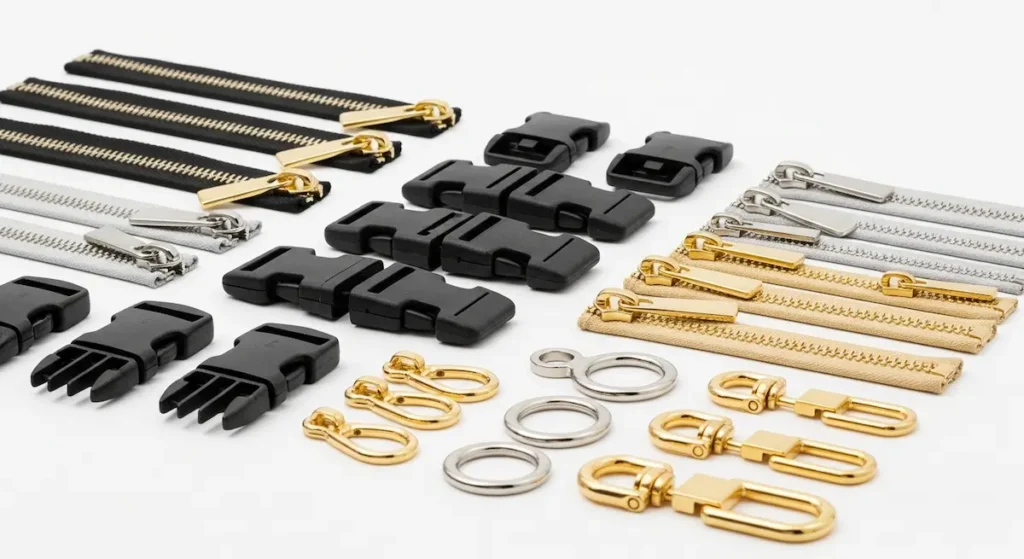
Hardware affects how a bag opens, closes and carries its contents. Choose zippers, buckles and attachments for the actual construction and intended use, not just appearance or a brand name.
1. Test the Zipper on the Finished Opening
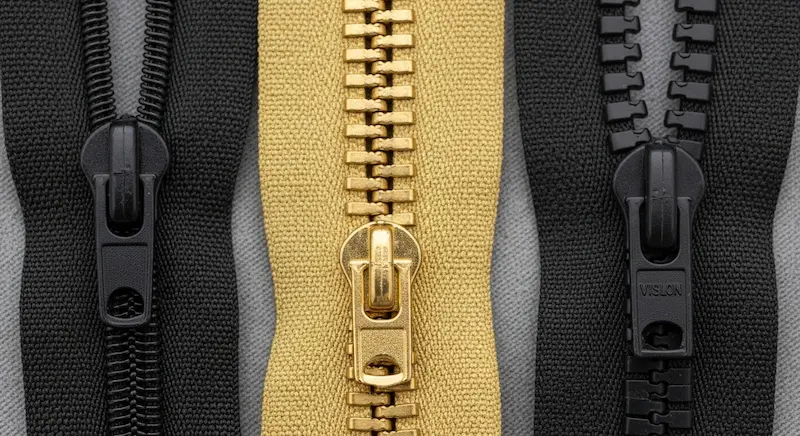
Coil, metal and molded-plastic zippers create different looks and handling characteristics. Confirm the type, size, slider, stops, puller and tape color in the specification.
Check curved openings, thick seams and access with the bag filled. Do not assume a zipper is self-repairing or suitable for every application. If a particular brand or model is required, state it in the brief and confirm availability.
2. Specify Buckles and Attachment Points
For a plastic buckle, confirm the exact material and component grade, dimensions, webbing fit and required load. “PP” or “POM” alone does not establish impact resistance or performance in hot or cold conditions.
Assess the assembled strap and stitching as well as the buckle. Agree on the relevant loading or operation test and failure criteria before approval. Do not assume one material is used across every Timmy product.
3. Agree on Finish and Corrosion Requirements
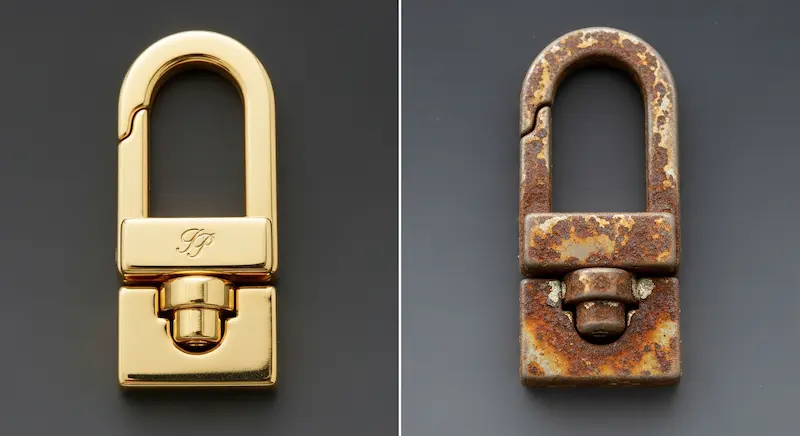
For metal rings, hooks, plates and pullers, specify the base material, finish, color and visible-quality requirements. Inspect edges, attachment details and surface consistency on a sample.
If corrosion resistance matters, select a test method, exposure conditions and acceptance criteria with the laboratory. A 24-hour salt-spray result does not automatically predict years of service. ASTM B117 explains the limits of extrapolating salt-spray results to natural environments.
4. Balance Custom Branding with Function
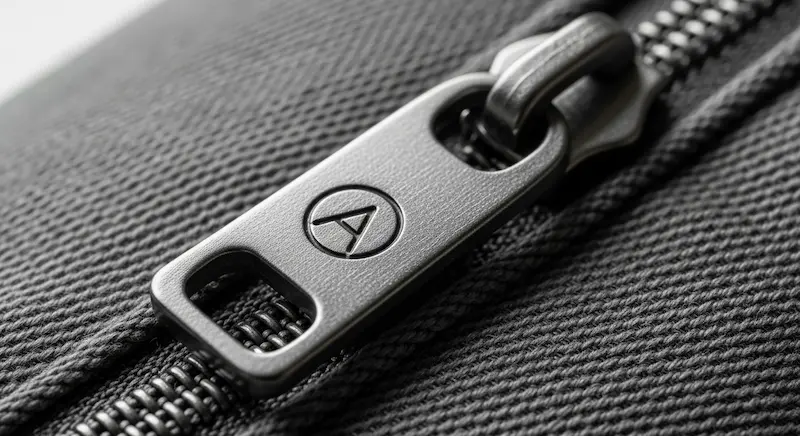
A custom puller or logo plate can be a useful brand detail, but it should remain comfortable, securely attached and compatible with the opening. Review its size and edge finish before approving appearance alone.
Any project-specific development and sample cost should be quoted in advance. There is no universal “cents per unit” price or guaranteed return on a hardware change.
What to Put in Your Hardware Brief
Include reference images, component dimensions, finish, brand or model requirements, attachment method and any test criteria. Keep these details in the tech pack and review substitutions before use.
Read our durability-test planning guide or send Timmy Bags your project details for a reply within 24 hours.