
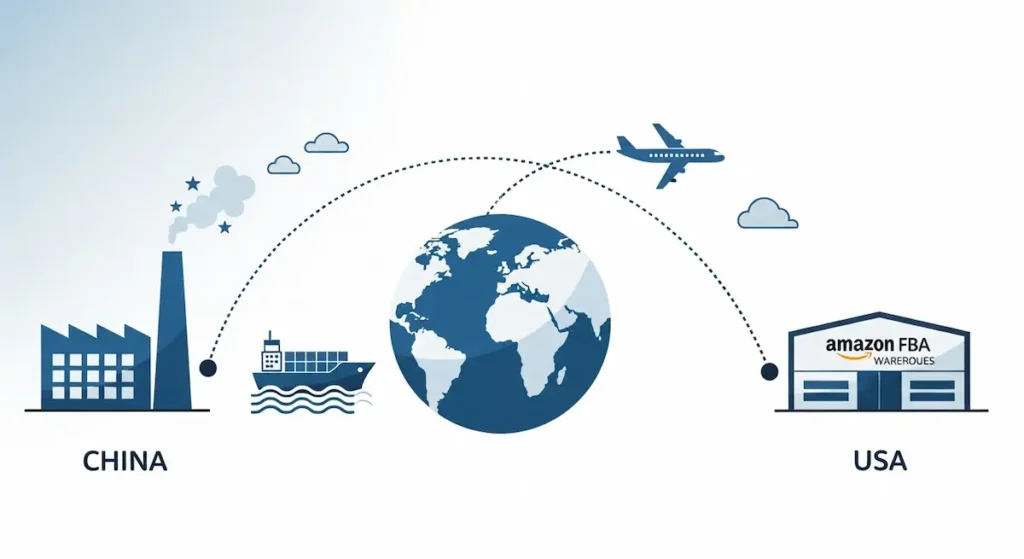
You’ve designed the perfect product. Your tech pack is ready, and production is finished. Now comes the hard part: getting your goods from the factory floor in China to the Amazon FBA warehouse in the US or Europe.
For many importing custom bags from China, logistics is where profit margins are either made or lost. Bags—especially backpacks and travel bags—are bulky items. If you don’t optimize your shipping, you could end up paying to ship “air.”
At TIMMY, we don’t just manufacture; we help our clients navigate the complex world of international logistics. Here is our essential guide for Amazon sellers.
1. Incoterms: Speaking the Language of Logistics
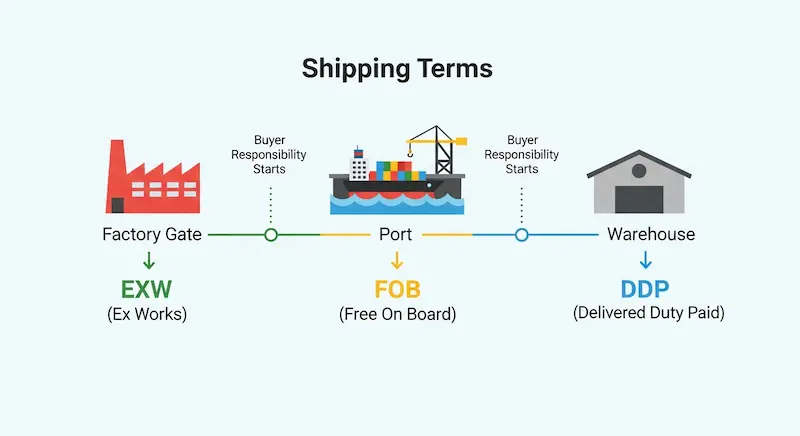
When you get a quote from a factory, it will always include a 3-letter code known as an “Incoterm.” Understanding these is crucial for knowing who pays for shipping and who is liable.
- EXW (Ex Works): The factory just makes the bags. You are responsible for picking them up from the factory door and handling everything else. Best for experienced importers with their own freight forwarders.
- FOB (Free on Board): The factory handles trucking to the Chinese port and export customs. You take over from there. This is the industry standard for control and cost-efficiency.
- DDP (Delivered Duty Paid): The “Amazon Seller Favorite.” The supplier handles everything—shipping, customs, duties—and delivers directly to Amazon’s door. It’s the easiest, but often slightly more expensive.
2. The “Volume Weight” Trap & How to Avoid It
Shipping companies charge based on either Actual Weight or Volumetric Weight (Space occupied)—whichever is higher.
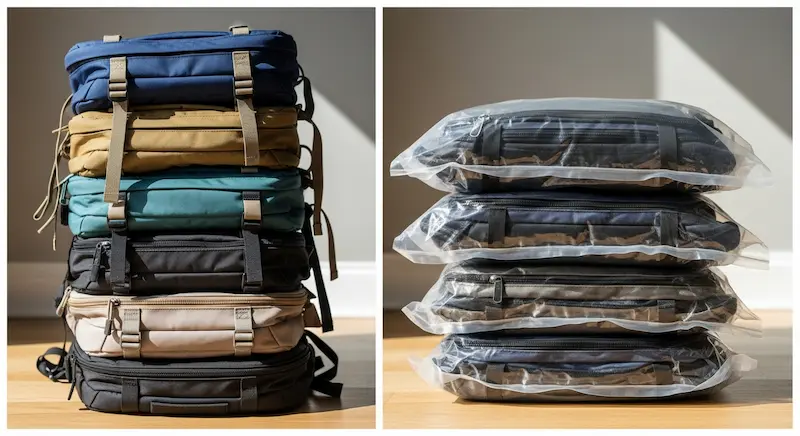
Bags are light but bulky. If you ship 500 custom backpacks loosely packed, you will pay a fortune for “volume weight.”
The Solution: Smart Packaging
At TIMMY, we use two methods to save our clients up to 30% on shipping costs:
- Vacuum Compression: For soft bags (like canvas totes or plush backpacks), we can vacuum seal them flat.
- Nesting: For structured bags, we nest smaller bags inside larger ones, or flatten them as much as possible without damaging the structure.
3. Amazon FBA Compliance: Don’t Get Rejected
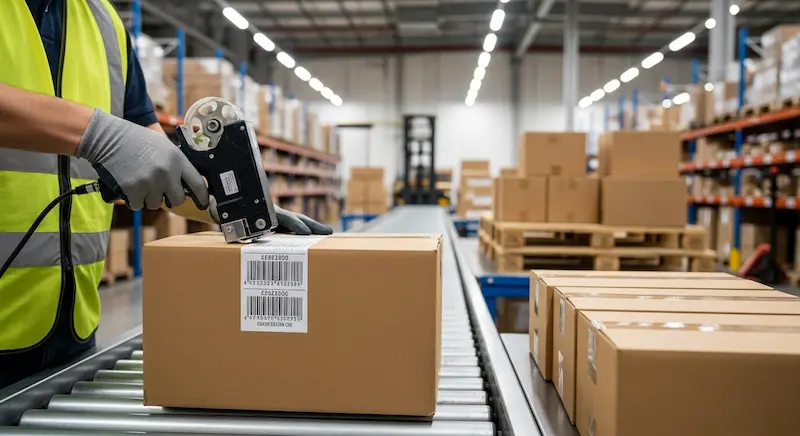
Amazon’s warehouses are notoriously strict. If your shipment doesn’t meet their standards, it will be rejected at the door.
Your OEM partner must understand these requirements:
- FNSKU Labels: Every single bag unit needs a scannable Amazon barcode (FNSKU) sticker on the polybag.
- Carton Markings: Master cartons must have FBA shipment labels on two sides.
- Carton Weight Limit: Amazon usually limits master cartons to 50 lbs (22.6 kg). We ensure our cartons never exceed this limit to avoid penalties.
Conclusion: Logistics is Part of the Product
Importing custom bags from China doesn’t have to be a headache. By choosing the right Incoterm, optimizing your packaging volume, and ensuring FBA compliance at the factory level, you can significantly boost your bottom line.
Work with a factory that understands the endgame. At TIMMY, we don’t just make bags; we deliver them ready for sale.