

Before sending detailed designs to a manufacturer, decide what information is confidential, who may use it and what you need to protect. Practical file controls and carefully drafted agreements work together; neither guarantees that copying cannot occur.
This guide is a sourcing checklist, not legal advice. Ask qualified counsel familiar with the relevant markets to review your rights, agreements and enforcement options before disclosure.
1. Agree on Use of Designs and Project Information
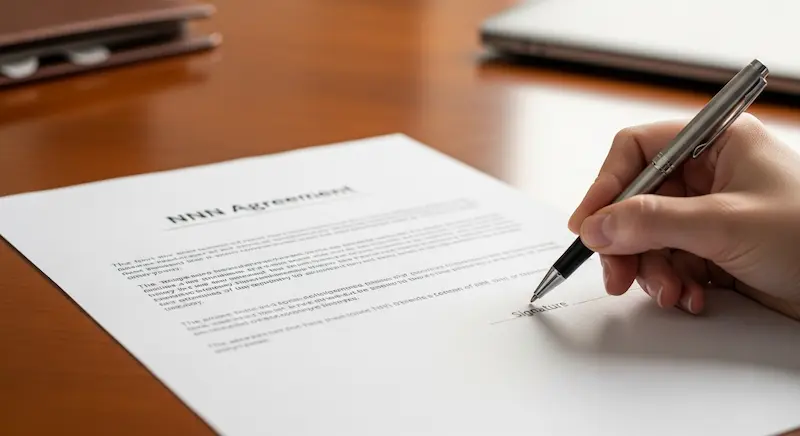
An agreement may need to address confidentiality, permitted use, disclosure to subcontractors, customer information and restrictions on using tooling or designs for other orders. “NDA” or “NNN” is a label, not evidence that the wording is suitable or enforceable.
Identify the actual contracting party and discuss governing law, dispute resolution, language, remedies and signing authority with counsel. Keep a signed version before sharing information whose disclosure creates a material risk.
2. Review the Rights That Apply to Your Design
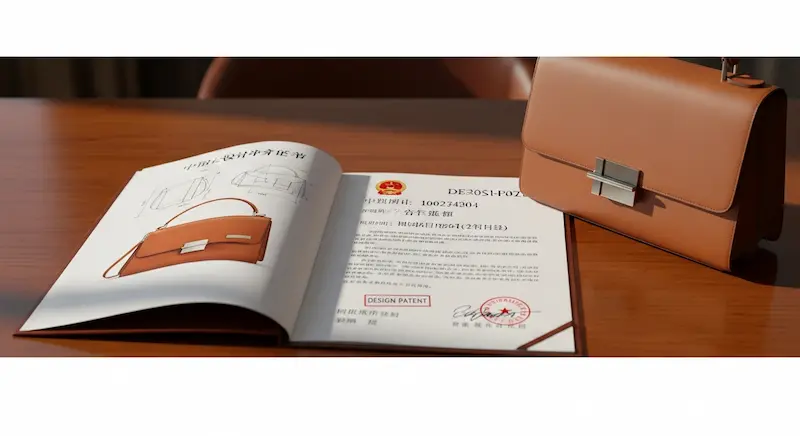
Industrial design rights are territorial. Protection in one market does not automatically provide protection everywhere. The appearance of a bag, a technical invention, a logo and confidential know-how may raise different questions.
Discuss the relevant territories, filing options and disclosure timing before publication or sale. A registration does not automatically stop goods at customs or resolve every infringement issue. See WIPO’s industrial-design FAQs for an overview.
3. Define Ownership and Access for the Project
Clarify who owns the supplied artwork, development files, patterns and any project-specific tooling. Record permitted uses, storage, return or disposal arrangements and whether any exclusivity has actually been agreed.
Ask how project files are shared with staff or subcontractors and whether samples may appear in a showroom, portfolio or social media. Do not assume that selecting OEM production automatically transfers every intellectual property right.

4. Keep an Approval Record
Use dated design versions, a clear tech pack and written sample approvals. Record which changes are accepted and who has authority to approve them.
For a Timmy Bags project, raise confidentiality, ownership and sample-display requirements before development so the applicable arrangements can be discussed and confirmed in writing. Do not send sensitive files until you are comfortable with those arrangements.
Contact Timmy Bags about your project. We respond within 24 hours.