
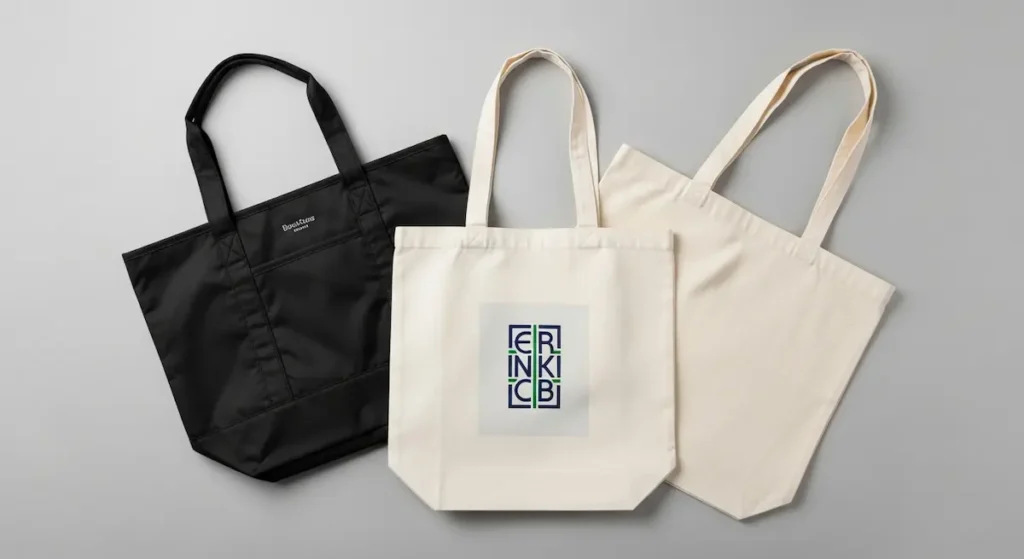
A useful wholesale tote bag starts with a clear purpose: carrying a beauty gift set, handing out event materials, or becoming an everyday reusable bag. Specify the contents and expected use before comparing fabric prices or logo methods.
1. Match the material to the job
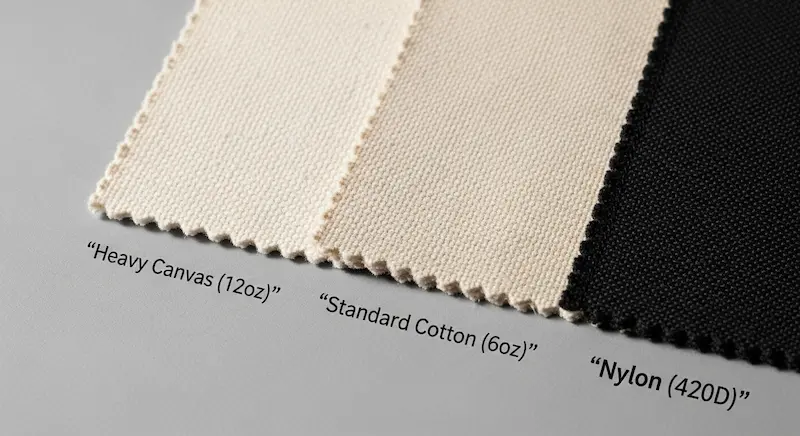
Cotton canvas, lighter cotton fabrics and synthetic woven fabrics can produce very different handles, weights and finishes. Compare fibre composition, fabric weight, weave, coating and actual swatches. Fabric weight alone does not tell you the strength or environmental impact of the finished bag.
If recycled or organic content matters to the project, state the required percentage and documentation. Confirm the proposed material and any applicable certification scope before using a claim in packaging or advertising. A coated fabric does not automatically make the seams and finished bag waterproof.
2. Specify the size, handles and load
Provide finished width, height and gusset dimensions, with agreed measurement points and tolerances. Handle drop affects whether the bag can be carried by hand or over the shoulder. Check the opening, pockets and closure against the intended contents.
Tell the manufacturer the expected carrying weight and conditions. Agree reinforcement at the handles and seams, then assess a sample with a representative load. Do not assume a large bag is designed to carry a heavy load.
3. Choose branding through a sample
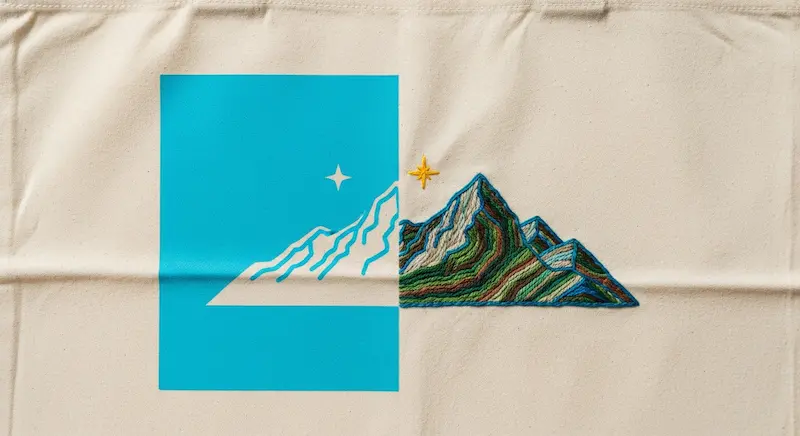
Screen printing, transfer printing and embroidery each have trade-offs. Artwork detail, colour count, fabric texture, order quantity and the desired finish affect suitability and cost. Review placement, size and colour expectations using the proposed material.
Ask what testing is appropriate for the intended use, such as print adhesion or colour transfer. A digital visual is useful for layout but cannot establish the feel or durability of the final decoration.
4. Compare quotations on the same basis
Use one specification when requesting prices. Compare the agreed fabric, dimensions, construction, branding, packing, quantity and delivery terms. Ask which development costs and services are included instead of treating the lowest unit price as an equivalent offer.
Timmy Bags’ standard MOQ is 500 pieces. For one style in multiple colours, the minimum is 300 pieces per colour with at least three colours, or 900 pieces in total. Sample costs depend on complexity and are quoted before work begins.
5. Allow time for approval and delivery
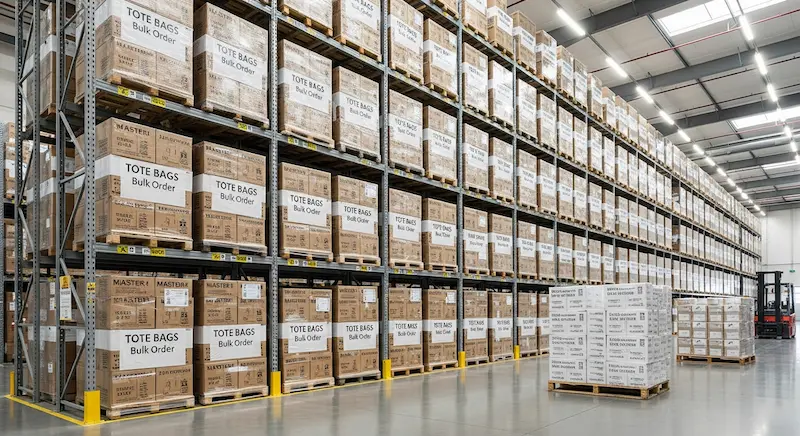
Sampling normally takes 7–10 days after all details are confirmed. Production normally takes 30–35 days after all details are confirmed. Allow additional time for shipping and any further sample revisions.
Confirm the approved sample, written specifications, packing instructions and inspection criteria before production. Changes made later should be recorded and checked for their effect on price and timing.
Send your tote bag requirements, or explore our promotional bags and pouches. We respond to enquiries within 24 hours.