
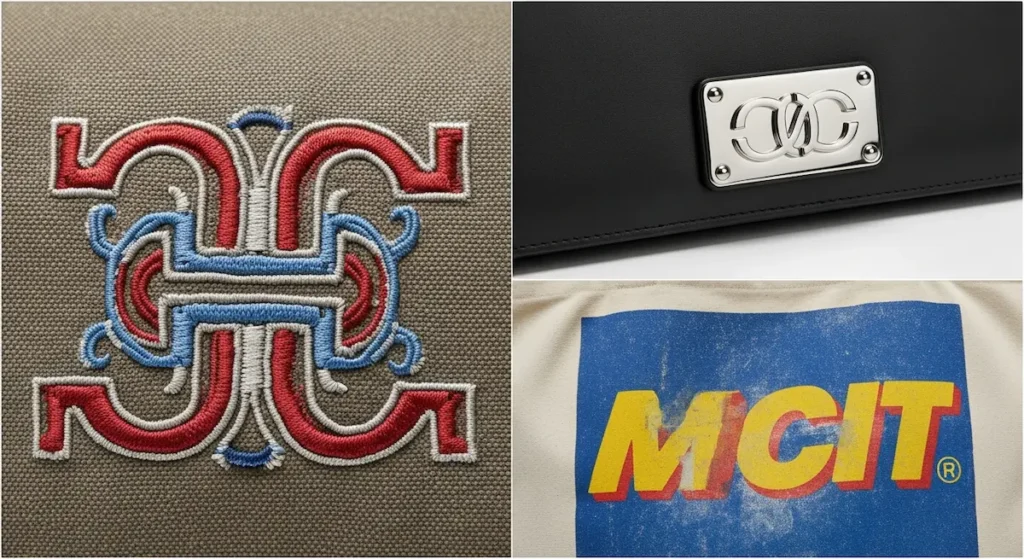
The right logo method suits the artwork, material and way the bag will be used. A fine wordmark on textured canvas needs a different approach from a bold mark on a smooth pouch.
Compare the following options on the actual project material. Appearance, durability, cost and availability should be reviewed together before artwork approval.
1. Screen Printing for Clear, Bold Artwork
Screen printing transfers ink through a prepared screen onto the surface. It is worth considering for defined shapes and solid-color artwork on suitable fabrics.
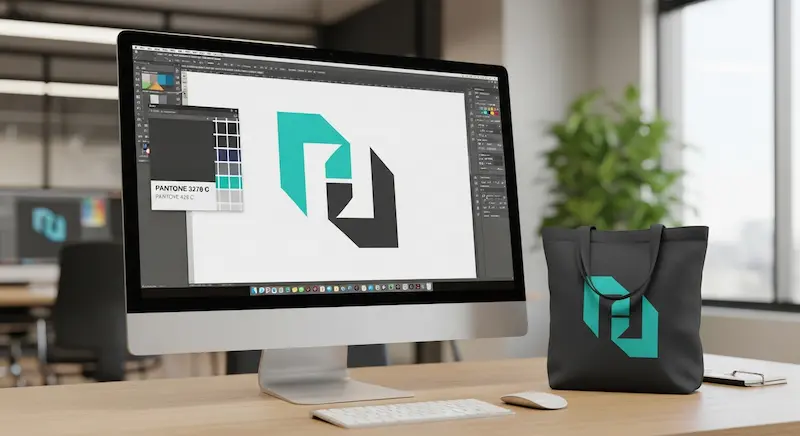
Review line detail, ink coverage, color and placement on a sample. Fine gradients, large areas and textured surfaces may need a different approach. A Pantone reference communicates the target; it does not guarantee an exact match on every material.
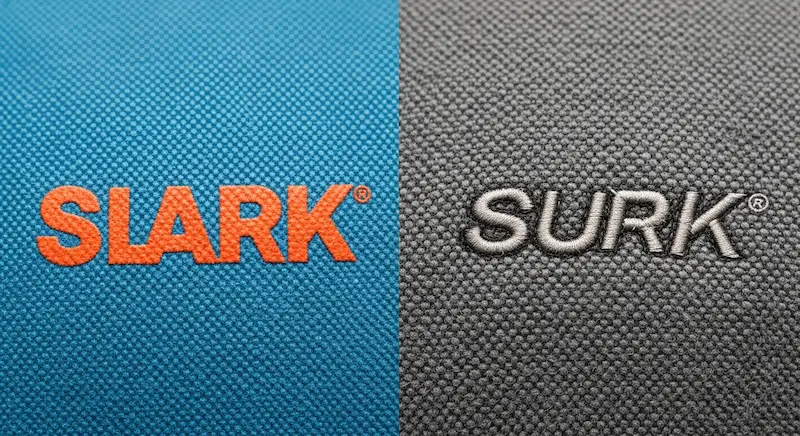
2. Embroidery for Texture
Embroidery forms the artwork with stitching. It can add a tactile detail, but dense stitching may change the feel or shape of a light fabric.
Test small lettering and fine lines at the intended size. There is no universal minimum text height that works for every typeface, thread and fabric, and embroidery is not a promise that color can never fade.
3. Debossing or Embossing for a Tonal Detail
A recessed or raised mark can suit selected materials and constructions. Review the depth, definition, placement and effect on the surface using the actual material.
A technique that works on one PU or leather grade may not give the same result on another. Approve a sample before treating the effect as permanent or suitable for the whole collection.
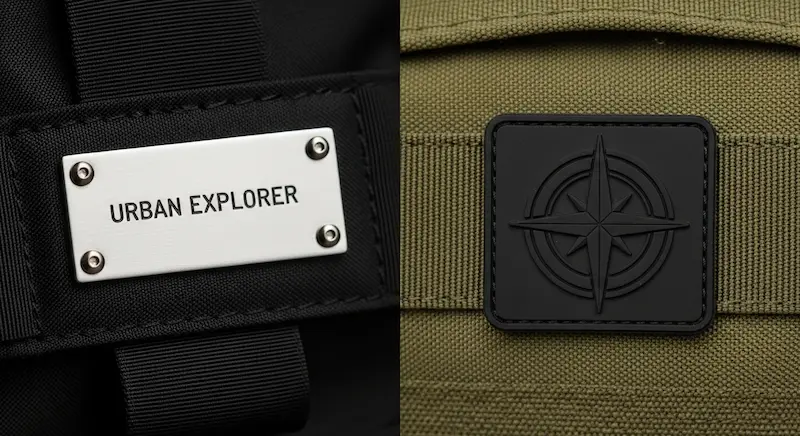
4. Plates and Patches as Separate Components
A metal plate or molded patch adds a separate branded component. Check its edges, attachment, weight, flexibility and contact with the bag’s contents.
The patch material does not make the finished bag waterproof. Confirm the component specification, quantity and any project-specific development cost before proceeding.
5. Transfer or Digital Printing for More Complex Artwork
Transfer and direct-print methods are different processes. The available option depends on the material and desired result. They may suit multicolor artwork or gradients where a simpler logo process is less appropriate.
Review color, detail, surface feel and any relevant rubbing, adhesion or cleaning test. No method reproduces every image perfectly on every fabric.
Prepare an Artwork Approval Sheet
Supply vector artwork where available, the required width and height, position measured from a defined seam or edge, color references and the intended logo method. If you only have a raster image, send the highest-resolution version for review.
Mark which version is approved and keep the sample reference with your tech pack. Artwork changes after approval may affect development and timing.
Send your artwork and bag reference to discuss suitable branding options with Timmy Bags. We respond within 24 hours; the technique and final specifications are confirmed for your project.