

Agree on what a good bag looks like before production begins. Your approved sample, specification sheet and inspection plan should clearly describe workmanship, function, dimensions, branding and packing.
The inspection method and acceptance criteria are agreed for the order. A sample inspection is not a promise that every bag is defect-free.
1. What AQL Does—and Does Not—Mean
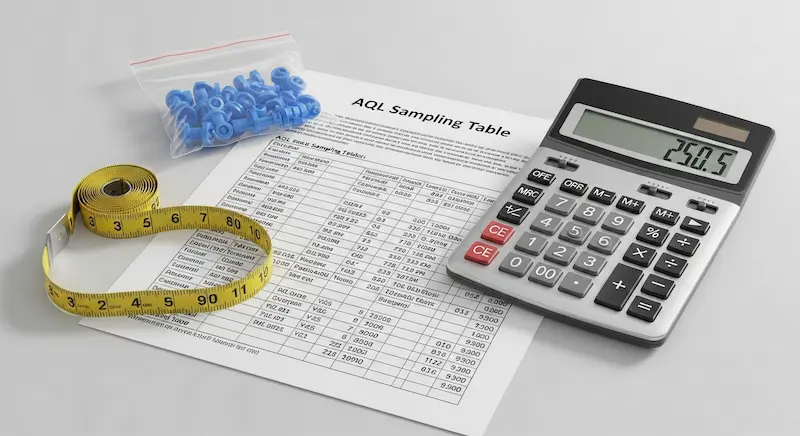
AQL is a reference used when selecting an acceptance-sampling plan. A plan specifies the sample size and the acceptance and rejection numbers. Those numbers depend on the selected standard, lot size, inspection level and AQL—not on simply multiplying the order quantity by a percentage.
AQL 2.5 does not mean a supplier is automatically allowed to ship 2.5% defective bags. A random sample is assessed against the agreed plan to support a lot-acceptance decision. Sampling has statistical risks and does not measure every unit in the shipment.
Confirm the plan with your inspection provider. See NIST’s introduction to acceptance sampling and its sampling-plan terminology.
2. Define Defects for Your Actual Bag
Critical concerns: Potential safety or regulatory failures require a defined response. A visual sampling pass does not replace required product-safety testing.
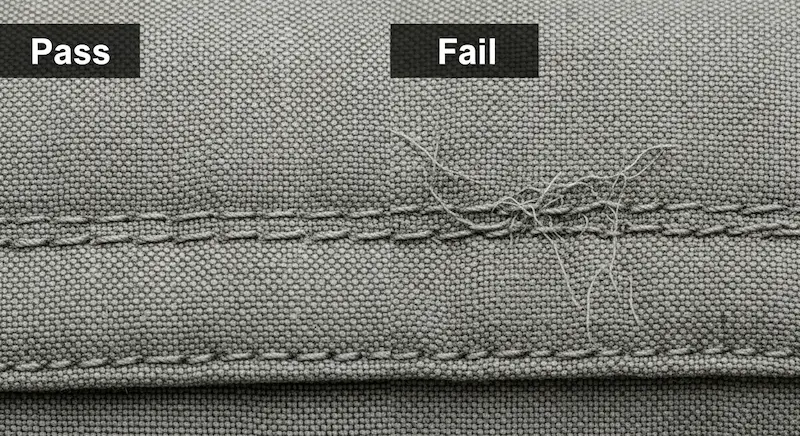
Major defects: Examples may include a broken zipper, open seam, incorrect logo or dimensions outside the agreed tolerance. Set tolerances for each measurement; a universal two-centimeter allowance is not suitable for every bag.
Minor defects: Small workmanship or appearance issues may fall into this category if they do not affect intended use. Agree on examples and limits with the inspector.
3. Build a Practical Inspection Checklist
Appearance and branding: Compare fabric, color, logo position and finishing with the approved sample. Agree on lighting, material texture and color references.
Dimensions and construction: Record the measurement method and tolerances for the bag, pockets, handles and compartments that need to fit a specific product.
Function: Check zippers, closures, handles and other moving or load-bearing parts. Cycle, load or durability tests need an agreed method and pass criteria.
Packing: Verify labels, barcodes, quantities and cartons against current retailer or warehouse instructions. Packing support does not guarantee platform acceptance.

4. Plan the Response to Inspection Findings
Before production, confirm when inspection occurs, who performs it and how nonconformities will be handled. Rework, reinspection and shipment-release decisions should follow the written order arrangements.
If you plan to use a third-party inspector, share the checklist and scheduling requirements early. A report records findings within its scope; it does not guarantee perfect products or market compliance.
Plan Quality with Timmy Bags
Share your reference, quantity, destination and inspection requirements. See our quality-control process or send your project details for a reply within 24 hours.