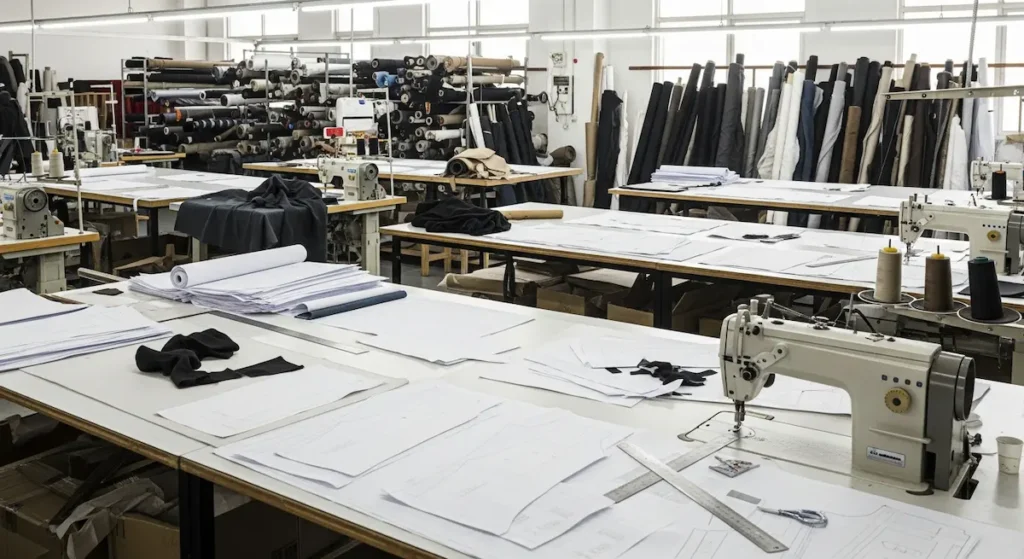
A sample costs more per piece than a production order because it includes development, material sourcing and one-off assembly. The exact sample cost depends on the style and complexity; there is no single standard sample price.
In custom bag manufacturing, the prototype is used to check shape, materials, construction and branding before you commit to production.
At TIMMY, we believe in transparency. In this guide, we will pull back the curtain on our sample room to show you exactly where your money goes during the prototyping phase.
1. Pattern Making: The “Architectural” Cost
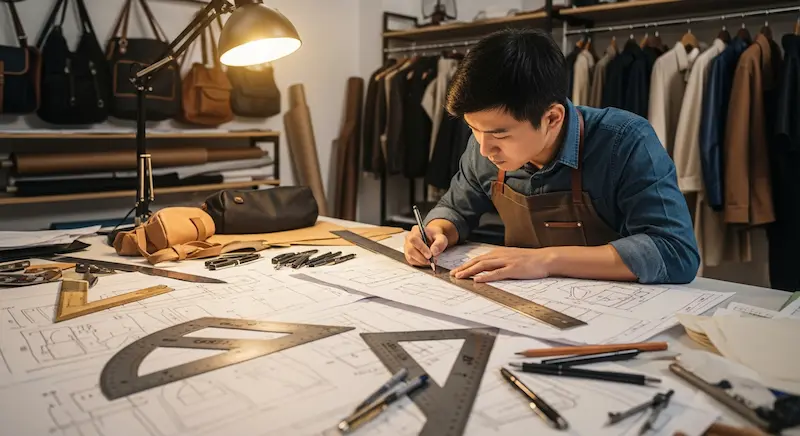
Before a single piece of fabric is cut, the bag must be “engineered.” This is the job of the Pattern Maker (or Paper Grid Master).
A complex bag can include multiple panels, pockets, reinforcements and trims. The pattern maker needs to:
- Analyze your Tech Pack to understand the structure.
- Draw each panel precisely by hand or using CAD software.
- Confirm material behavior, seam allowances and finishing details for the chosen construction.
Pattern development takes skilled work to turn a sketch or reference into a buildable structure. This development time is part of the sample cost.
2. Material Sourcing for a Prototype
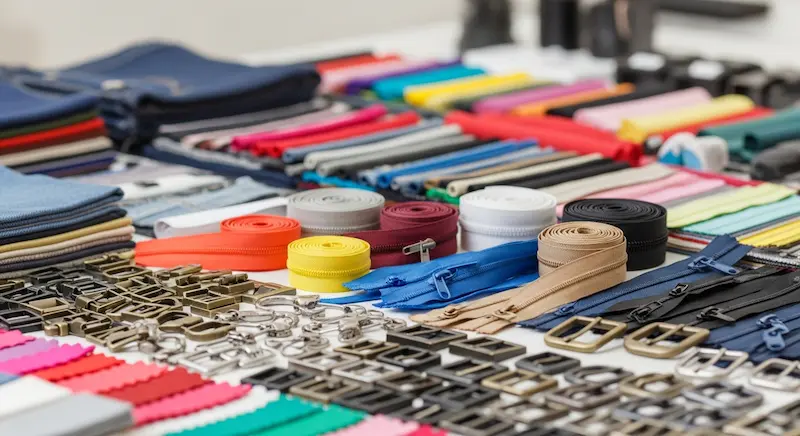
Material sourcing is another part of sampling. Fabric and trim suppliers may have minimum purchase quantities that exceed what one prototype needs.
When a specific color or material is not available in a small quantity, the team may need to review alternatives or source it separately:
- Material availability: Small-quantity sourcing and supplier minimums can affect the sample cost.
- Market Sourcing: Our sourcing team must physically travel to the textile market to find available stock that matches your color. This incurs travel and labor costs.
This is why we sometimes recommend using “available stock colors” for the first prototype to test the shape, and only sourcing the exact Pantone color for the final confirmation sample.
3. The Sample Room vs. Production Line
There is a fundamental difference in how a sample is made versus a bulk order.
Bulk Production (Assembly Line)
In mass production, the process is broken down. One worker only sews zippers; another only sews pockets. They are fast because of repetition.
Sample Making (Craftsmanship)
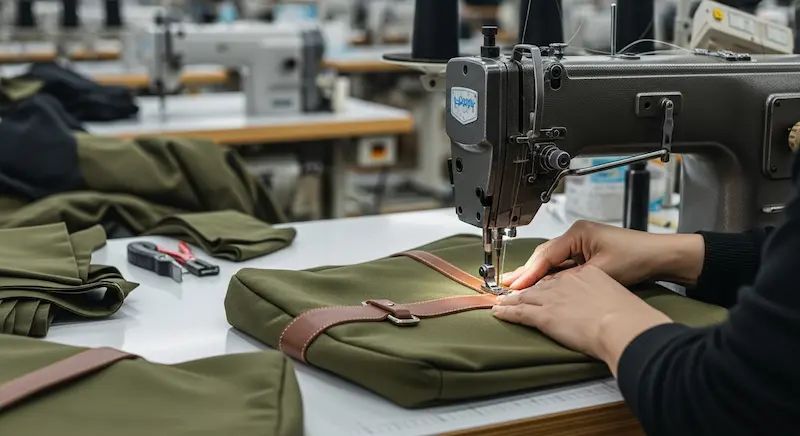
A sample is made by a single Sample Maker from start to finish. This person must be a master of all machines—flatbed, cylinder bed, and bar-tackers.
A prototype does not benefit from the repeated operations of a production run. Its cost reflects the development and assembly work needed for that particular design.
4. Confirm Sample Costs and Timing Before You Start
At Timmy Bags, sample costs are quoted for the style and complexity before work begins. Sampling typically takes 7–10 days after all details are confirmed.
Standard MOQ is 500 pieces. For one style in multiple colors, the minimum is 300 pieces per color across at least 3 colors (900 pieces total). Review the sample carefully and confirm the agreed specifications before production.
Send your reference and project details for a reply within 24 hours.